What You Need to Know After Embryo Transfer in IVF Treatment
Last updated:
Embryo transfer is one of the most critical and exciting stages of in vitro fertilization (IVF) treatment. Following days of ovarian stimulation, the egg retrieval procedure, and a meticulous monitoring process in the embryology laboratory, an embryo deemed suitable for transfer is placed into the uterus. The approximately two-week waiting period that follows is a special time for many couples, characterized by a mix of hope, excitement, and—at times—anxiety.
After the embryo transfer, expectant mothers often have many questions. Is it necessary to stay in bed constantly? Will walking harm the embryo? Is pelvic pain normal? Is spotting a bad sign? Which foods support embryo implantation? When should a pregnancy test be taken?
Although there is a wealth of advice available online regarding these questions, much of it is not based on scientific evidence. Suggestions circulating on social media—such as "miracle foods," "guaranteed implantation methods," or claims that "doing this will increase your chances of pregnancy"—can cause unnecessary anxiety for expectant mothers.
However, current scientific studies show that the most important factors determining success after embryo transfer are embryo quality, the suitability of the uterine lining, and the specific treatment protocol used. In most cases, the expectant mother's normal daily activities do not negatively affect embryo implantation.
In this article, we will discuss—in clear and accessible language and based on scientific data—what to pay attention to after embryo transfer, common misconceptions, and the most frequently asked questions.
What Is Embryo Transfer?
Embryo transfer is the procedure of placing an embryo—or embryos—whose development has been monitored following fertilization in a laboratory setting, into the uterus using a thin, soft catheter. As the final step of IVF treatment, this procedure is one of the most critical stages for the initiation of pregnancy.
The timing of the transfer may vary depending on the embryo's developmental rate, the number of embryos, the expectant mother's age, her previous treatment history, and the specific treatment plan. Currently, the most preferred approach is the transfer of a day-5 blastocyst embryo; however, in certain specific cases, a day-3 embryo transfer may be planned.
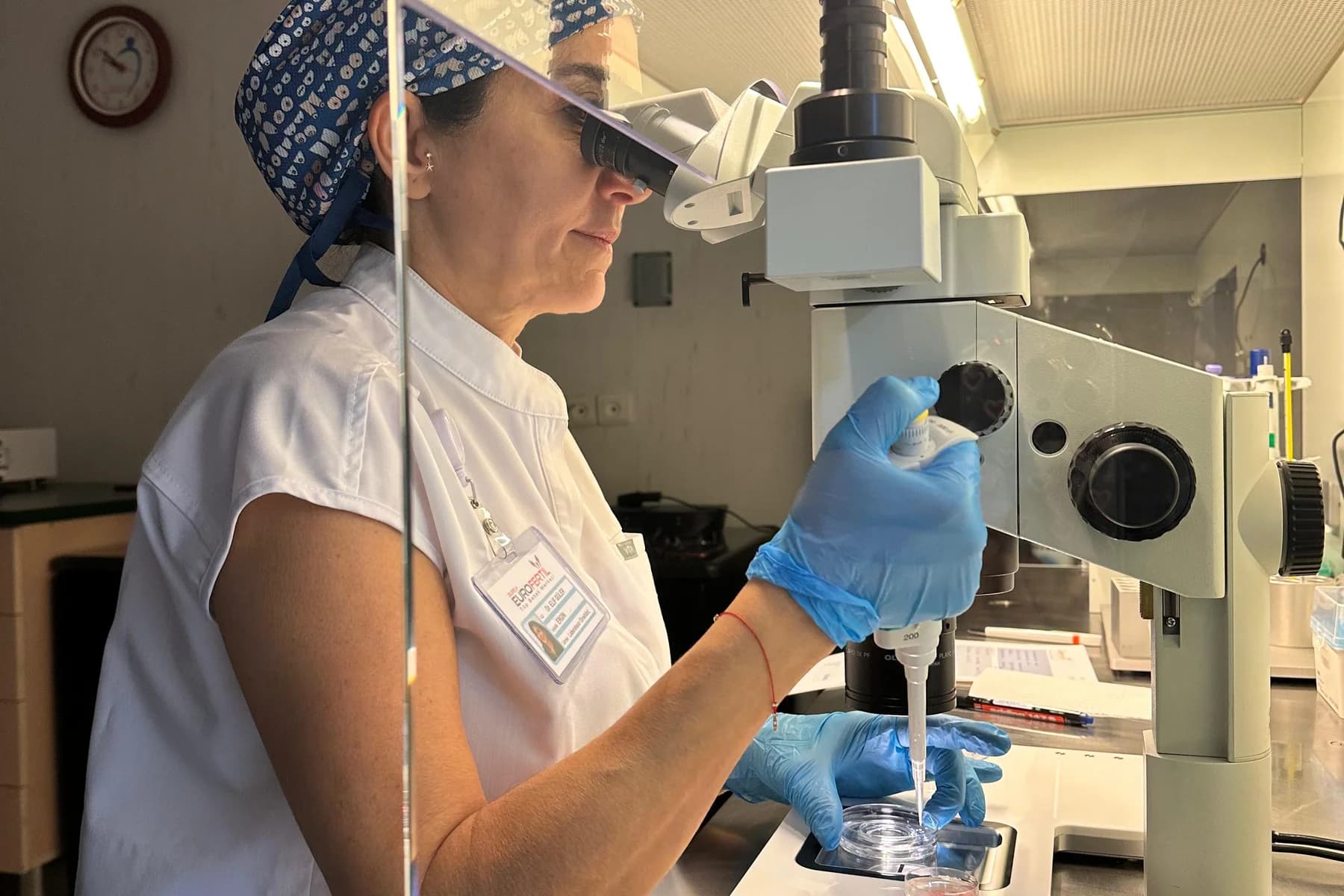
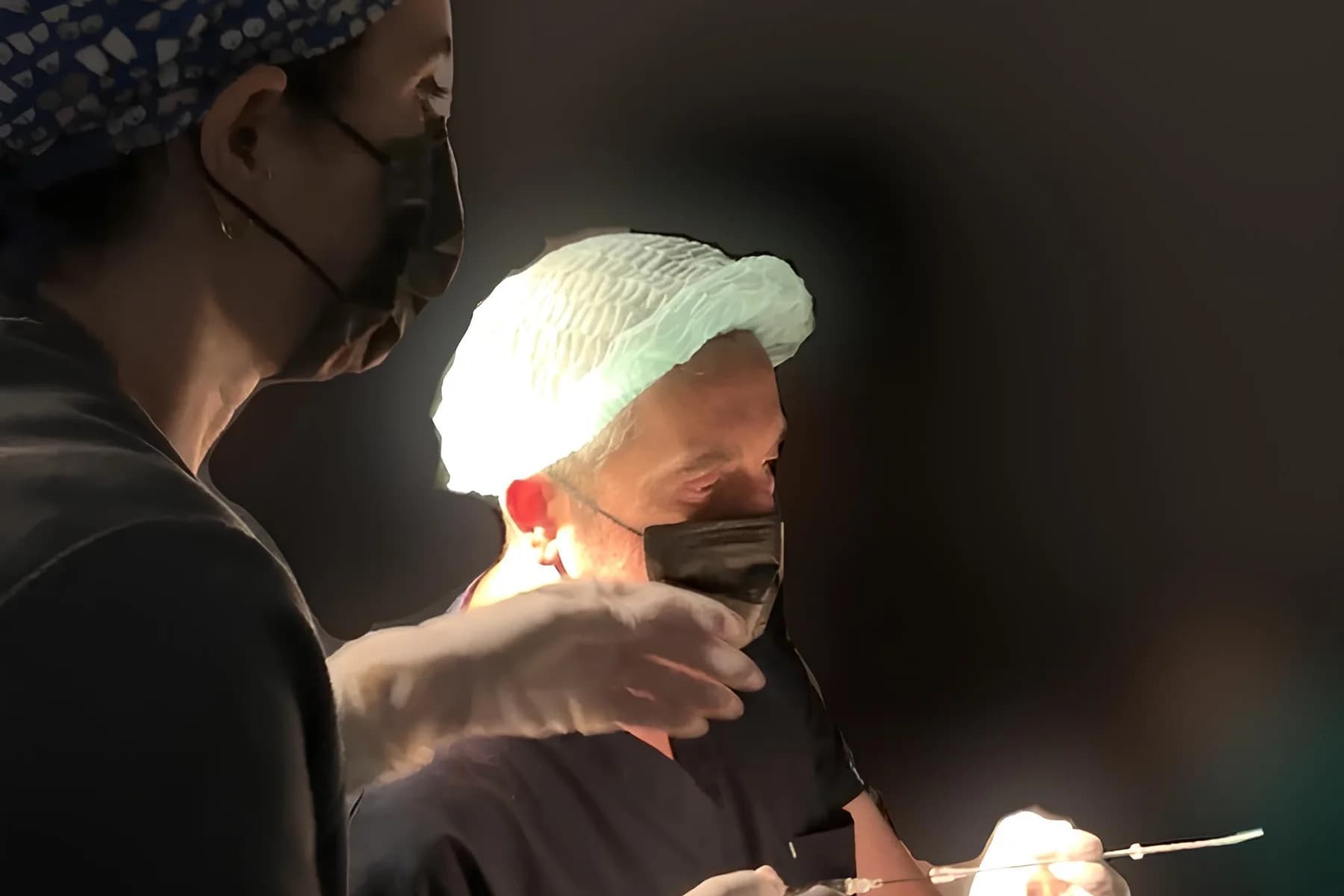
Embryo transfer generally does not require anesthesia. The procedure is performed in the gynecological examination position. To ensure a clearer ultrasound view of the uterus, the expectant mother is asked to have a moderately full bladder. The embryo, prepared by the embryologist, is loaded into a specialized transfer catheter and carefully placed into the uterine cavity under ultrasound guidance.
The procedure is painless for most patients and only takes a few minutes. After the transfer is complete, the embryologist confirms that the embryo is in the most suitable location within the uterus by checking the catheter.
What Happens in the First Few Hours After Embryo Transfer?
After the embryo transfer is completed, the expectant mother typically rests at the clinic for about 20 to 30 minutes. After this period, she can return home as recommended by her doctor.
Certain mild symptoms that may occur after the transfer are considered completely normal.
These may include:
Mild groin pain
Cramping sensations similar to menstrual cramps
Feeling of fullness in the abdomen
Very light pink or brown spotting
Discharge associated with the use of vaginal progesterone
These symptoms often result from the transfer procedure itself or the medications used. The presence or absence of these signs alone does not indicate whether the embryo has successfully implanted.
One of the major concerns for expectant mothers is the question: "Will the embryo fall out if I stand up?"
The answer is no.
Once the embryo is implanted in the uterus, it will not come out due to coughing, sneezing, going to the toilet, walking, or turning from side to side in bed. The uterine cavity is an anatomically closed structure, and the embryo begins to make contact with the uterine lining at a microscopic level.
Therefore, there is no need to fear the natural movements of daily life after the transfer.
Is Continuous Bed Rest Necessary After Embryo Transfer?
One of the most frequently asked questions following embryo transfer is whether prolonged bed rest is required. Although patients were advised to stay in bed for days in the past, current scientific data indicate that this approach does not increase the chances of pregnancy.
According to the latest recommendations from international reproductive medicine associations, returning to daily life in a controlled manner after a brief period of rest following the embryo transfer is sufficient. Remaining inactive for extended periods can slow blood circulation, reduce muscle strength, and cause unnecessary anxiety.
The key is to strike a balance between daily life activities and strenuous physical exertion. In other words:
Moving around the house,
Taking short walks,
Returning to desk jobs, and
Continuing light daily activities
are generally safe.
Conversely:
Lifting heavy objects,
Engaging in intense sports, and
Participating in activities requiring prolonged physical exertion
are not recommended.
In short, the goal after embryo transfer is not to stay in bed for days, but to maintain a normal lifestyle without straining the body.
What Should You Pay Attention to After Embryo Transfer?
The period after embryo transfer is one of the most exciting and most anticipated stages of treatment. During this process, many couples research what they should do to increase the chances of the embryo implanting in the uterus. However, it should be remembered that the most important point to consider after embryo transfer is not to follow every suggestion found on the internet, but to fully comply with the treatment plan recommended by your doctor.
The goal after embryo transfer is to support the uterine environment, protect the body from unnecessary physical strain, and maintain healthy lifestyle habits.
1. Use Your Medications Regularly and on Time
Progesterone and other supportive treatments given after embryo transfer help prepare the uterine lining for embryo implantation. Therefore, it is very important to use the medications at the recommended dose and at the specified times.
Do not stop taking your medications without consulting your doctor.
Do not change the dosage.
Do not interrupt treatment even if you feel well.
Use vaginal, oral, or injectable progesterone therapy as directed by your doctor.
2. Avoid Strenuous Exercise and Hard Physical Activity
The idea that complete bed rest is necessary after embryo transfer is incorrect. You can continue your daily activities; however, it is recommended to avoid activities that strain the body.
The following exercises are particularly unsuitable in the first few days:
Running
Weightlifting
Intense fitness programs
Sports involving jumping
Exercises that strain the abdominal muscles
Long and strenuous walks
Sudden turns and strenuous movements
Since the ovaries may be enlarged due to medication during IVF treatment, strenuous exercise can pose risks not only to embryo transfer but also to ovarian health.
3. You Can Continue Your Daily Life Normally
You don't need to see yourself as a patient who has to rest constantly after embryo transfer. On the contrary, maintaining your daily routine without overdoing it can be beneficial both physically and psychologically.
Activities that can generally be done safely include:
Light exercise indoors
Taking short, slow walks
Returning to desk work
Doing light housework
Using stairs carefully
Maintaining a normal daily diet
Engaging in calm social activities
The general rule is quite simple: Activities that don't leave you breathless, increase intra-abdominal pressure, or cause excessive fatigue are generally safe.
4. Pay Attention to Balanced and Healthy Nutrition
There is no scientific evidence that there is a "miracle food that ensures embryo implantation" after embryo transfer. Foods like pineapple, avocado, pomegranate juice, or walnuts alone do not increase the chances of pregnancy. The most appropriate approach during this period is to maintain balanced and healthy eating habits.
Nutritional recommendations include:
Consume sufficient protein
Don't neglect drinking plenty of water; aiming to consume approximately 2-2.5 liters of water during the day maintains the body's fluid balance, supports the circulatory system, can reduce the risk of constipation, and contributes to overall well-being.
Include fiber-rich foods in your diet.
Eat a diet that prevents constipation.
Avoid excessively fatty, processed, and salty foods.
Do not consume raw foods whose hygiene is uncertain.
Limit daily caffeine and alcohol consumption.
Nutritional supplements and vitamis: During IVF treatment, regular use of folic acid, iron, calcium, and other prenatal vitamins is important both for supporting the nutritional status of the expectant mother and for preparing for pregnancy. Omega-3 supplements may also be used in some patients with a doctor's recommendation. Omega-3 fatty acids are reported to support the health of the uterine lining and contribute to the embryo's implantation process.
The goal is not to seek out a specific food; it is to maintain a balanced diet that supports the overall health of the body.
Things to Avoid After Embryo Transfer
The behaviors to avoid after embryo transfer are not recommended because they directly harm the embryo, but rather to reduce unnecessary physical strain, infection risk, and excessive heat exposure.
1. Avoid Lying Down Constantly
2. Avoid Lifting Heavy Loads
It is recommended to avoid carrying heavy loads in the first few days. In particular, activities that can increase intra-abdominal pressure should be kept to a minimum, such as:
Heavy shopping bags
Water gallons
Large suitcases
Heavy household items
Carrying small children for extended periods
3. Avoid Saunas, Turkish Baths, and Very Hot Baths
Since high temperatures can increase body temperature, saunas, Turkish baths, jacuzzis, and very hot baths are not recommended after embryo transfer. However, taking short showers with lukewarm water is generally safe.
4. Avoid Smoking and Alcohol
Scientific studies have shown that smoking and alcohol have negative effects on both fertility and pregnancy. Therefore, it is recommended to avoid smoking and alcohol throughout the entire process of planning a pregnancy, as well as after embryo transfer.
It would be beneficial to consider this period as an important opportunity to develop healthier lifestyle habits.
5. Do Not Use Medications or Herbal Products Without Consulting Your Doctor
After embryo transfer;
Painkillers
Antibiotics
Vitamins and supplements
Herbal products
Hormone-containing preparations
should not be used without the doctor's explicit approval.
Even products sold as "natural" may interact with medications or negatively affect the treatment process in some cases.
6. Manage Your Stress and Pay Attention to Regular Sleep
There is no strong scientific evidence showing that stress alone prevents the embryo from implanting in the uterus after embryo transfer. However, constantly searching for symptoms, experiencing intense anxiety, and lack of sleep can make the waiting period psychologically more difficult.
Therefore, during the post-transfer period:
Try to sleep regularly.
Don't constantly test yourself or analyze symptoms.
Relax your mind with light walks, breathing exercises, and calming activities that you enjoy. Don't hesitate to contact your doctor or healthcare team if needed.
7. Don't take a test too early
Why can early testing be misleading?
Pregnancy hormone levels may not have risen sufficiently yet.
Medications used may affect the result.
A negative result can cause unnecessary disappointment.
A positive result alone is not sufficient as it requires clinical follow-up.
Remember; each day after embryo transfer is a natural part of the treatment. Spending this period as calmly as possible will help you feel better both physically and mentally.
Can I Drink Coffee?
Coffee is not completely forbidden after embryo transfer. However, since studies have shown that excessive caffeine consumption may have negative effects on pregnancy, it is recommended to limit daily caffeine intake.
Generally, caffeine consumption below 200 mg per day is considered safe. This amount is approximately equivalent to:
1-2 cups of filter coffee,
2 cups of Turkish coffee
Energy drinks and products with high caffeine content should be avoided.
Are Herbal Teas Safe?
Just because a product is "natural" doesn't mean it's safe. Some herbal teas can affect uterine contractions or interact with medications. Therefore, it is recommended to consult your doctor before regularly consuming herbal tea after embryo transfer.
The safest drink is always water.
Can I Exercise?
You don't need to remain completely inactive. On the contrary, light exercise helps the circulatory system function healthily.
Activities that can be recommended after embryo transfer include:
Light-paced walking
Daily movements around the house
Light stretching exercises
Desk work
Conversely, it is recommended to avoid the following activities until the pregnancy test result is available:
Running
Weightlifting
CrossFit
Intense fitness training
Exercises involving jumping
Long, strenuous walks
Exercises that strain the abdominal muscles
The aim here is not so much to protect the embryo, but to keep the body away from unnecessary physical stress.
Can Sexual Intercourse Occur After Embryo Transfer?
While there is no scientific consensus on whether sexual intercourse after embryo transfer reduces pregnancy success, many IVF centers recommend avoiding sexual intercourse until a pregnancy test is done.
This is not because the embryo might move; it is to reduce uterine contractions that may occur during orgasm and the risk of possible infection.
The best approach is to follow the advice of the physician who performed your transfer.
Can Travel Be Done After Embryo Transfer?
Short car journeys or city transportation are generally safe. Many patients coming from out of town can return home a few hours after the transfer.
However;
long plane journeys,
hours-long car journeys,
plans requiring carrying heavy luggage
it would be advisable to consult your doctor beforehand.
During the journey:
drink plenty of water,
avoid staying in the same position for long periods,
avoid carrying heavy loads.
When Can I Return to Work?
Many people who work at a desk can return to work the next day or within a few days after embryo transfer. However, if the working conditions require physical exertion or involve standing for long periods, your doctor may recommend short rest. When you return to work; it will be beneficial to avoid:
lifting heavy loads,
standing for long periods,
excessive stress.
Are Symptoms After Embryo Transfer Normal?
Any symptom experienced after embryo transfer can cause great anxiety in expectant mothers. Some women think that a slight pain in their groin indicates embryo implantation, while others worry that the treatment has failed if they experience no symptoms at all.
However, from a scientific point of view, symptoms seen after embryo transfer are not a definitive indicator of pregnancy. Similarly, experiencing no symptoms does not mean that the embryo has failed to implant.
Many complaints felt after transfer can be due to the natural effects of the progesterone and other hormone medications used. Therefore, interpreting symptoms in isolation is not correct.
Is Groin Pain Normal After Embryo Transfer?
Yes. Mild groin pain or cramping similar to menstrual cramps is a common occurrence after embryo transfer.
The reasons for this pain may include:
mild stimulation of the cervix during the transfer procedure,
the ovaries still being developed,
the progesterone medications used,
the natural movements of the uterine muscles.
The presence of groin pain does not indicate embryo implantation. Similarly, not feeling any pain is not a negative sign.
However, you should definitely contact your doctor if you experience any of the following symptoms:
Severe and progressively worsening abdominal pain
Intense pain on one side
Fever
Feeling faint
Severe abdominal swelling
Shortness of breath
Although rare, these symptoms may indicate a different medical condition.
What to Do If Spotting Occurs After Embryo Transfer?
While light pink or brown spotting after transfer worries many expectant mothers, it doesn't always have a negative meaning.
The cause of spotting may be:
the catheter used during transfer,
cervical sensitivity,
vaginal progesterone administration,
the embryo's contact with the uterine lining.
Therefore, light spotting in the form of a few drops is often considered normal.
However, bleeding that is:
as heavy as menstrual bleeding,
bright red in color,
clotted,
and increasing in volume
must be evaluated by a doctor.
The most important point is this:
Spotting does not mean the transfer was unsuccessful. Light spotting can also occur in many healthy pregnancies.
Are Breast Tenderness and Swelling Normal?
In some women after embryo transfer; Symptoms such as breast fullness, tenderness, abdominal bloating, and mild nausea may occur. A significant portion of these symptoms are not due to pregnancy itself, but rather to the progesterone medication being used. Therefore, it is not accurate to make a judgment about pregnancy based solely on symptoms.
Are There Signs of Implantation After Embryo Transfer?
You may find many articles online under the heading "signs of embryo implantation." However, scientifically, there is no specific sign that definitively indicates that the embryo has implanted in the uterus.
Some women may experience the following symptoms:
mild spotting,
a feeling of fullness in the groin,
breast tenderness,
mild fatigue,
mild nausea.
However, none of these symptoms alone confirm pregnancy. Similarly, many expectant mothers who experience no symptoms at all may develop a healthy pregnancy.
Therefore, instead of constantly monitoring symptoms, waiting for the Beta-hCG test to be performed on the date recommended by your doctor is the most appropriate approach.
When Should You Consult Your Doctor?
If any of the following symptoms appear after embryo transfer, you should contact your clinic immediately:
Heavy vaginal bleeding;
Severe or worsening abdominal pain;
Fever above 38°C;
Foul-smelling vaginal discharge;
Shortness of breath;
Severe abdominal swelling;
Feeling faint;
Sudden swelling or pain in the leg.
These symptoms do not always mean a serious problem; however, they must be evaluated for your safety.
Conclusion
The period after embryo transfer is one of the most delicate and exciting stages of IVF treatment. The most common mistake expectant mothers make during this process is unnecessarily restricting themselves, thinking that every movement will affect embryo implantation.
However, current scientific data shows that prolonged bed rest does not increase the chances of pregnancy. The most important thing is to regularly take the medications prescribed by your doctor, eat healthily, avoid strenuous physical activity, and spend the process as calmly as possible.
Mild pelvic pain, spotting, or no symptoms at all do not alone indicate a successful or unsuccessful pregnancy. Therefore, instead of constantly interpreting symptoms, waiting for the Beta-hCG blood test to be performed on the date determined by your doctor is the most accurate approach.
Remember, every IVF treatment is unique. Therefore, the process you experience after embryo transfer may differ from the experiences of other patients. Communicating with your attending physician and embryology team about any questions you may have will ensure you receive the most reliable information.
Briefly Remember:
The most important factor determining success after embryo transfer is not the expectant mother remaining completely immobile; The key is to manage the treatment process correctly.
✔️ Take your medications regularly.
✔️ Eat healthily and drink enough water.
✔️ Continue with light daily activities.
✔️ Don't restrict yourself unnecessarily.
✔️ Manage the process according to your doctor's recommendations, rather than internet rumors.
✔️ Wait only for the Beta-hCG blood test to assess the pregnancy result.
Frequently Asked Questions
Can I shower after embryo transfer?
Yes. Showering with lukewarm water is fine. However, it is recommended to avoid saunas, Turkish baths, jacuzzis, and very hot baths until the pregnancy test result is available.
Can I climb stairs after embryo transfer?
Yes. You can use stairs in a controlled manner in daily life. The important thing is not to overexert yourself and not to carry heavy loads.
Can I drive after embryo transfer?
If you feel well after the transfer, driving short distances is generally not problematic. However, if you are planning long journeys, it would be advisable to consult your doctor.
Can I drink coffee after embryo transfer?
Coffee can be consumed as long as the daily caffeine intake remains below 200 mg. Energy drinks and excessive caffeine should be avoided.
Does going to the toilet after embryo transfer harm the embryo?
No. Going to the toilet, urinating, or having bowel movements does not cause the embryo to leave the uterus.
When can I return to work after embryo transfer?
Many people who work at a desk can return to work shortly afterward. Those who work in physically demanding jobs should follow their doctor's recommendations.
Is sleeping position important after embryo transfer?
No. Lying on your right, left, or back does not affect embryo implantation. You can sleep in any position that makes you feel comfortable.
When should a pregnancy test be done after embryo transfer?
The most reliable method is the Beta-hCG blood test. The test is scheduled 10-14 days after transfer in most centers, although this varies depending on the embryo's developmental stage.
Does coughing or sneezing cause a miscarriage?
The embryo is protected inside the uterus; it does not come out with daily movements.