
What you've been wondering
Written by our physicians and embryology team - on treatment methods, reproductive health, and the emotional side of the process.
Blog posts
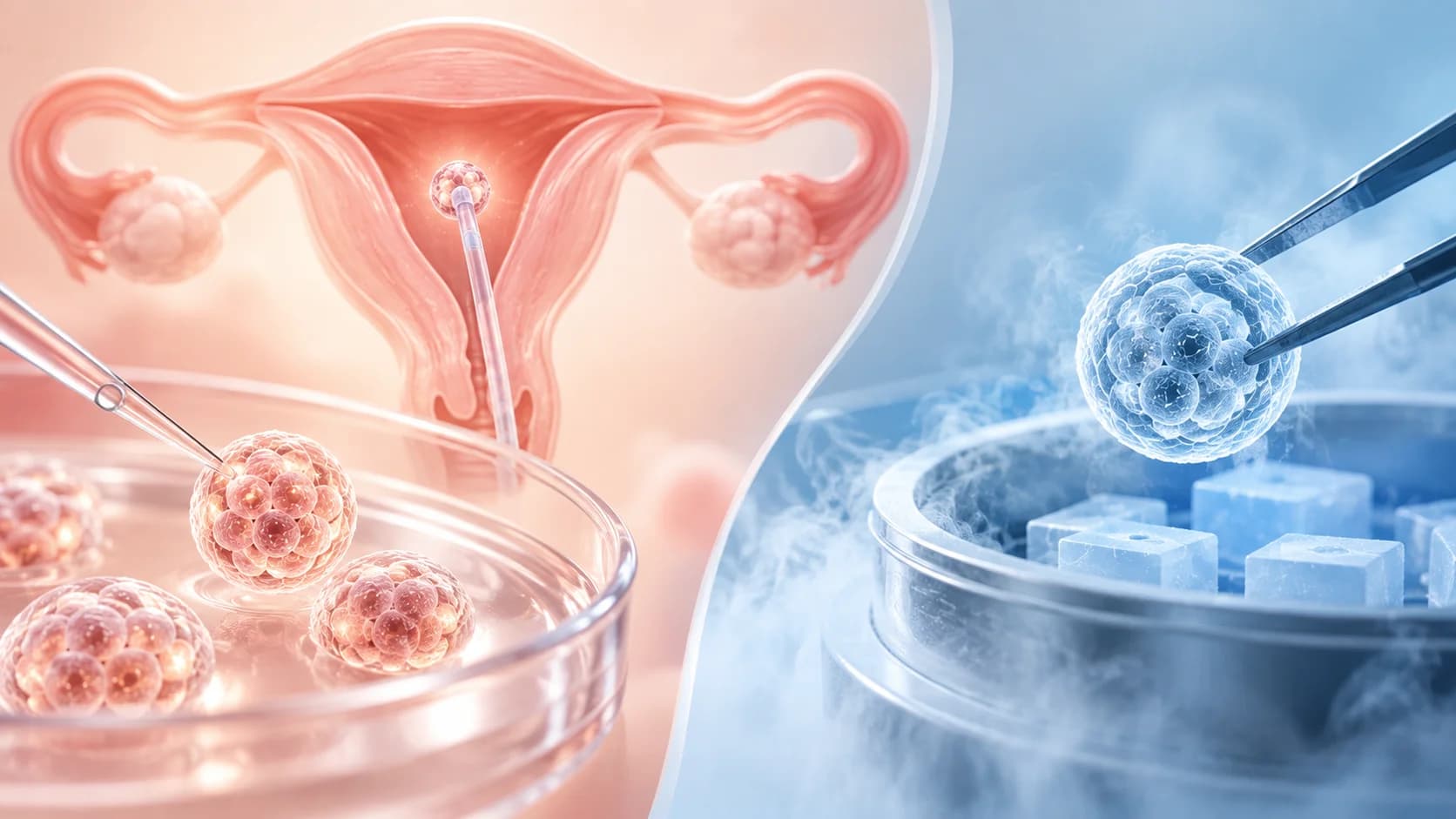
Frozen or Fresh Embryo Transfer: Which Is More Successful?
In IVF treatment, neither fresh nor frozen embryo transfer is superior for every patient. OHSS risk, hormone levels, the condition of the uterine lining, embryo characteristics and PGT plans all matter when choosing the transfer method. In this article, we explain the differences between fresh and frozen embryo transfers, their advantages and when each may be preferred.


How Does Stress Really Affect Your Chances of Getting Pregnant?
Does stress really make it harder to conceive? Learn how stress can affect hormones, ovulation and daily habits, and why it should not be seen as the only cause when pregnancy is delayed.

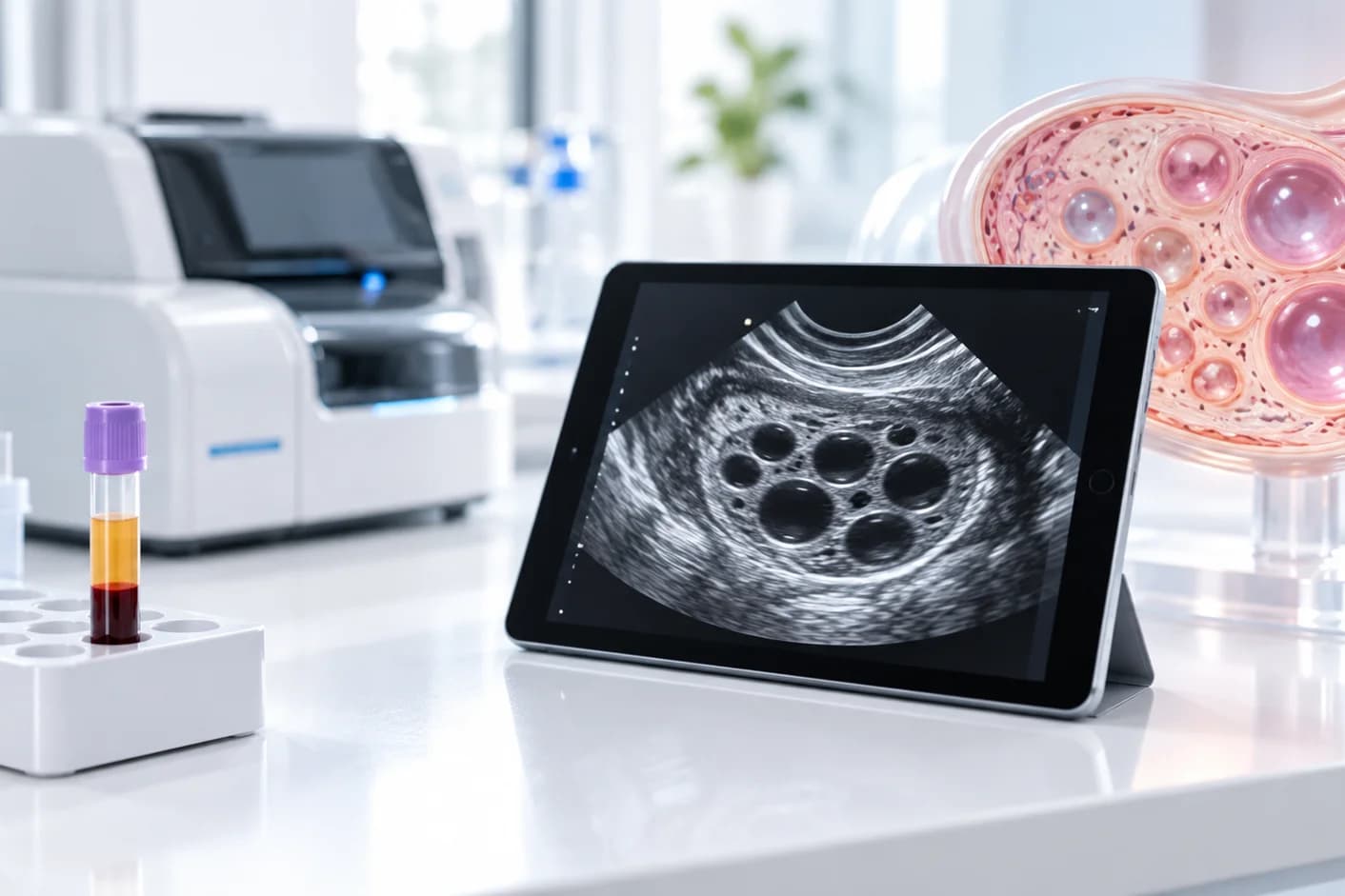
Ovarian Reserve Tests: What AMH Can and Cannot Tell You on Its Own
AMH offers valuable insight into ovarian reserve, but it does not show egg quality or decide on its own whether you can get pregnant. Learn what low and high AMH mean and which other tests matter.
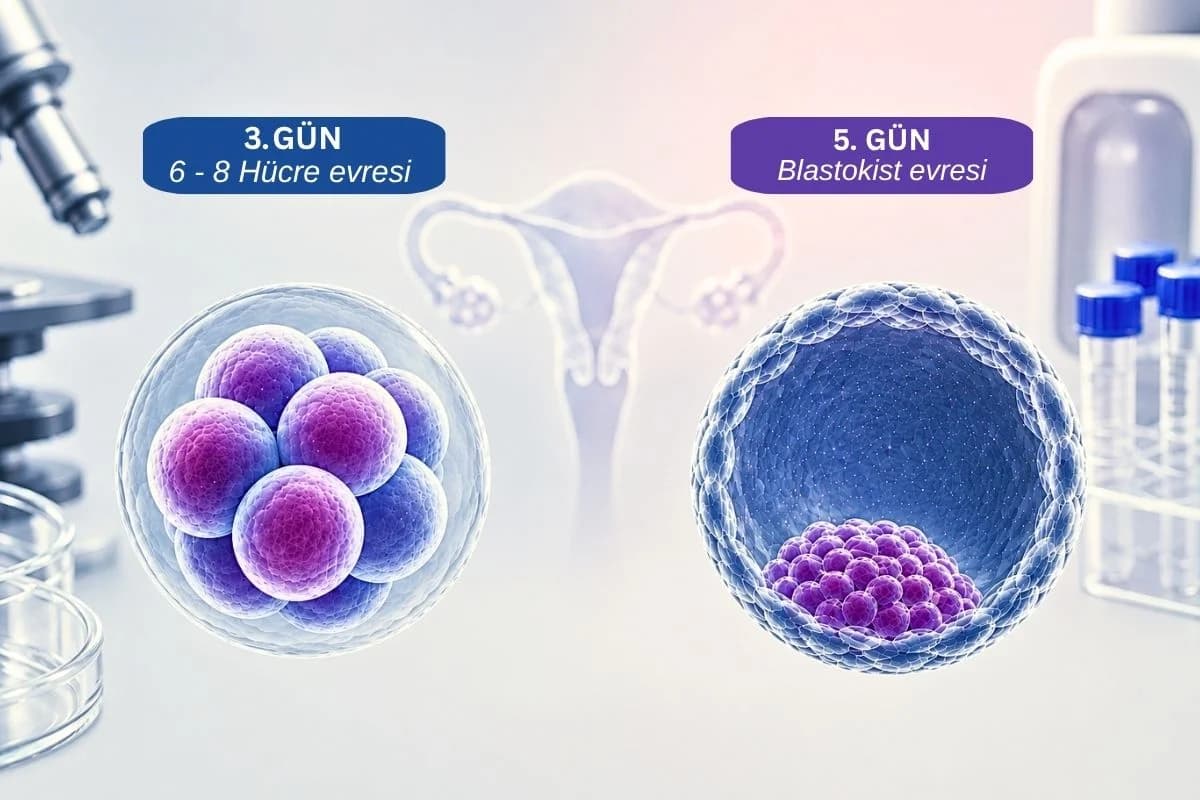
Day 3 or Day 5: Which Embryo Transfer Is More Successful?
Day 5 blastocyst transfer is not more successful for every patient. While blastocyst culture can help with embryo selection in patients with several good-quality embryos, day 3 transfer can be an important option for patients with one or only a few embryos. The transfer day should be personalized by evaluating the number, quality and development of the embryos together with the patient's clinical situation. In IVF treatment, the goal is not a blastocyst but a live birth.
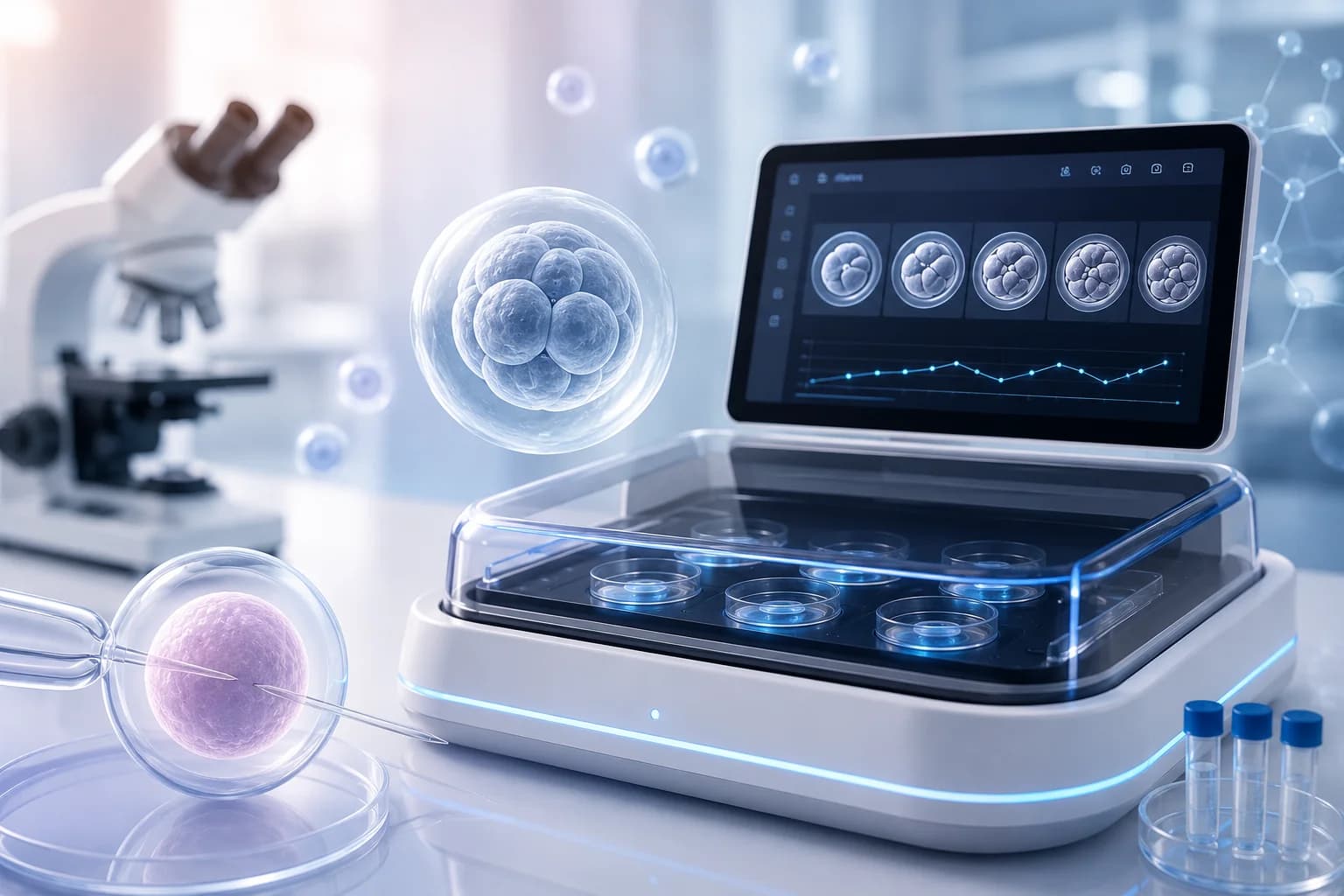
New-Generation Technologies That Improve IVF Success
Success in IVF is shaped by accurate diagnosis, personalized treatment planning, an experienced team and advanced laboratory technologies working together. The EmbryoScope allows embryos to be monitored without interruption, while PGT-A and NGS can help identify chromosomally normal embryos. Micro-TESE offers an important option for retrieving sperm in men diagnosed with azoospermia, and AI-assisted embryo assessment systems are among the technologies of the future. In conditions that may affect implantation, such as a thin uterine lining, cause-specific and personalized approaches are essential.
What Factors Increase the Chance of IVF Success?
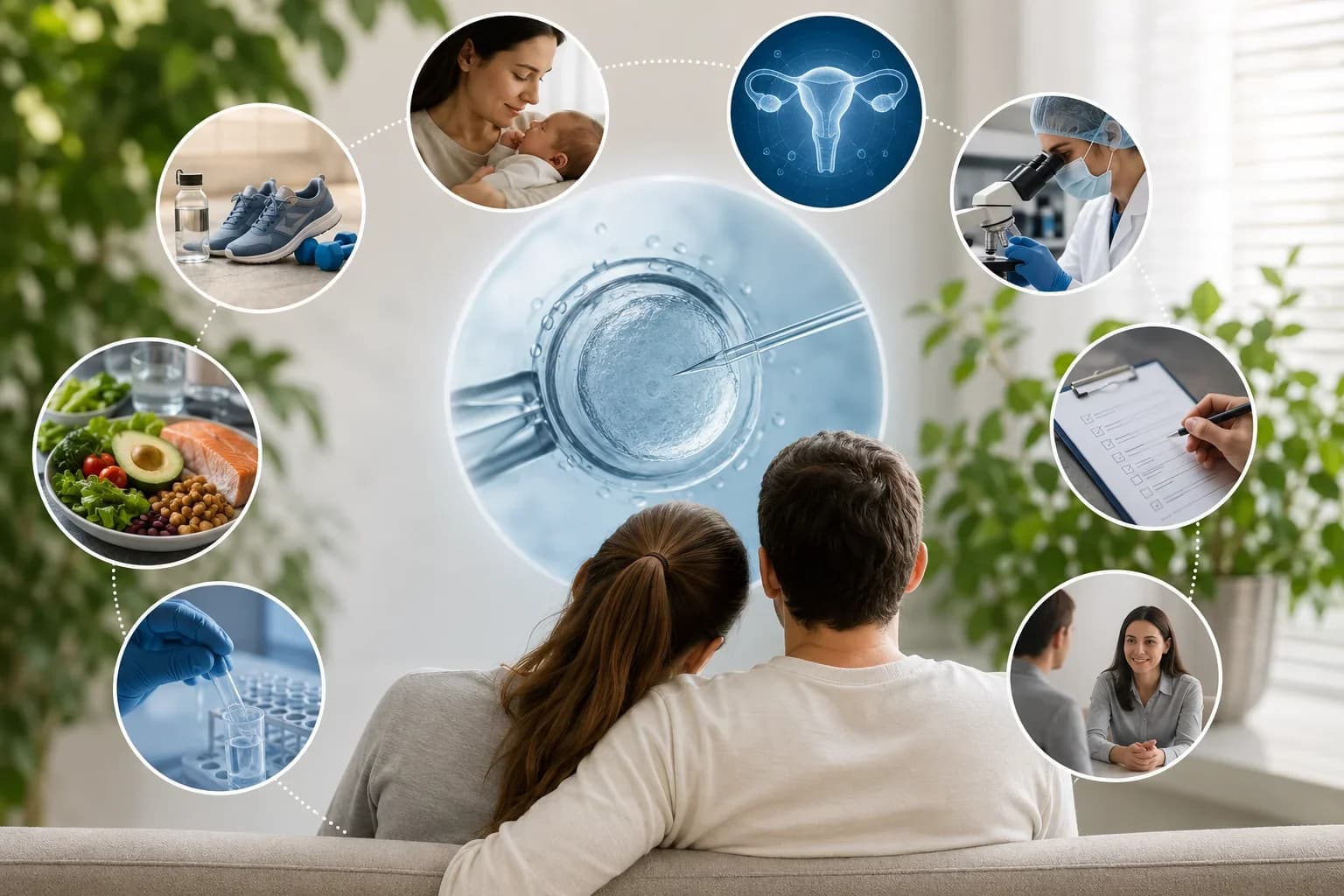
IVF success depends on many factors, including the woman's age, ovarian reserve, egg and sperm quality, embryo development, uterine health, lifestyle and the experience of the embryology laboratory. Since no single method guarantees success, it is important to personalize treatment to each couple. A thorough evaluation, the right treatment protocol and an experienced team help manage the process well.

Can You Get Pregnant with Low AMH?
A low AMH level does not on its own mean that natural pregnancy is impossible or that IVF is required. Learn what low AMH means, how age affects fertility and when to see a doctor.

What Is the Ideal Weight for IVF Treatment?
In IVF success, weight is a critical medical factor, not just a cosmetic one. The ideal BMI range is 18.5-24.9; within this range, the response to medication is more predictable and embryo quality and the likelihood of implantation are higher. Excess weight may increase medication doses, adversely affect embryo development dynamics and endometrial receptivity, and raise the risk of gestational diabetes and preeclampsia. Being underweight (BMI <18.5) can also strain hormone production and embryo development. Current data show that in women with a high BMI, frozen embryo transfers performed in a natural cycle can achieve better live birth rates in some cases. In men, obesity disrupts the testosterone/estrogen balance and adversely affects sperm count, motility, morphology and DNA integrity. Steps such as losing 5-10% of body weight before treatment, a Mediterranean-style diet and regular exercise significantly improve success. Weight alone is not a barrier; with personalized protocols, the process can be managed safely.
What Is Sperm DNA Damage (DNA Fragmentation)? How Does It Affect Pregnancy and IVF Treatment?
Sperm DNA damage is an important parameter in the evaluation of male infertility. It can be especially informative for couples with unexplained infertility, recurrent pregnancy loss and failed IVF attempts. However, this test alone does not determine the outcome of a pregnancy. Results must always be interpreted together with the couple's overall clinical situation, the woman's age, egg quality and other causes of infertility. Today, thanks to advanced laboratory methods and personalized treatment approaches, the chance of pregnancy can be improved for many couples.