What you've been wondering
Written by our physicians and embryology team - on treatment methods, reproductive health, and the emotional side of the process.
Blog posts

What is Biochemical Pregnancy? Symptoms, Causes, and Impact on the IVF Process
Biochemical pregnancy is a very early pregnancy loss. Learn about its causes, symptoms, impact on IVF, and when further evaluation may be needed.
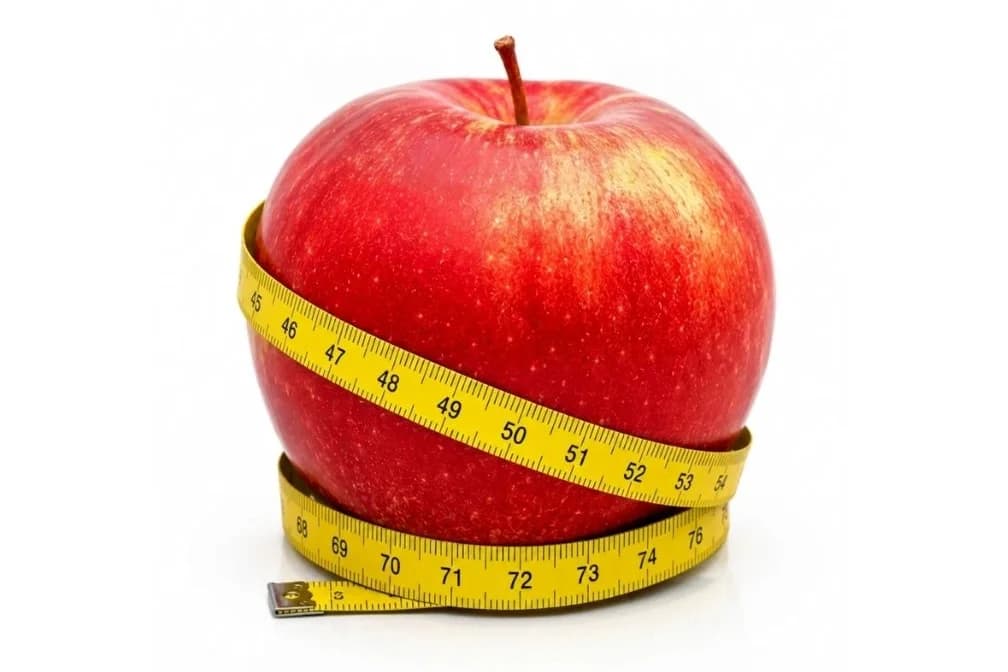
What Is the Ideal Weight for IVF Treatment?
In IVF success, weight is a critical medical factor, not just a cosmetic one. The ideal BMI range is 18.5-24.9; within this range, the response to medication is more predictable and embryo quality and the likelihood of implantation are higher. Excess weight may increase medication doses, adversely affect embryo development dynamics and endometrial receptivity, and raise the risk of gestational diabetes and preeclampsia. Being underweight (BMI <18.5) can also strain hormone production and embryo development. Current data show that in women with a high BMI, frozen embryo transfers performed in a natural cycle can achieve better live birth rates in some cases. In men, obesity disrupts the testosterone/estrogen balance and adversely affects sperm count, motility, morphology and DNA integrity. Steps such as losing 5-10% of body weight before treatment, a Mediterranean-style diet and regular exercise significantly improve success. Weight alone is not a barrier; with personalized protocols, the process can be managed safely.
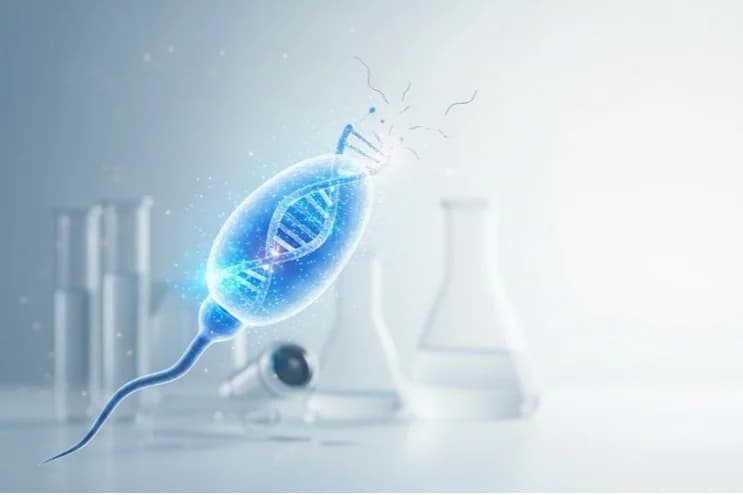
What Is Sperm DNA Damage (DNA Fragmentation)? How Does It Affect Pregnancy and IVF Treatment?
Sperm DNA damage is an important parameter in the evaluation of male infertility. It can be especially informative for couples with unexplained infertility, recurrent pregnancy loss and failed IVF attempts. However, this test alone does not determine the outcome of a pregnancy. Results must always be interpreted together with the couple's overall clinical situation, the woman's age, egg quality and other causes of infertility. Today, thanks to advanced laboratory methods and personalized treatment approaches, the chance of pregnancy can be improved for many couples.
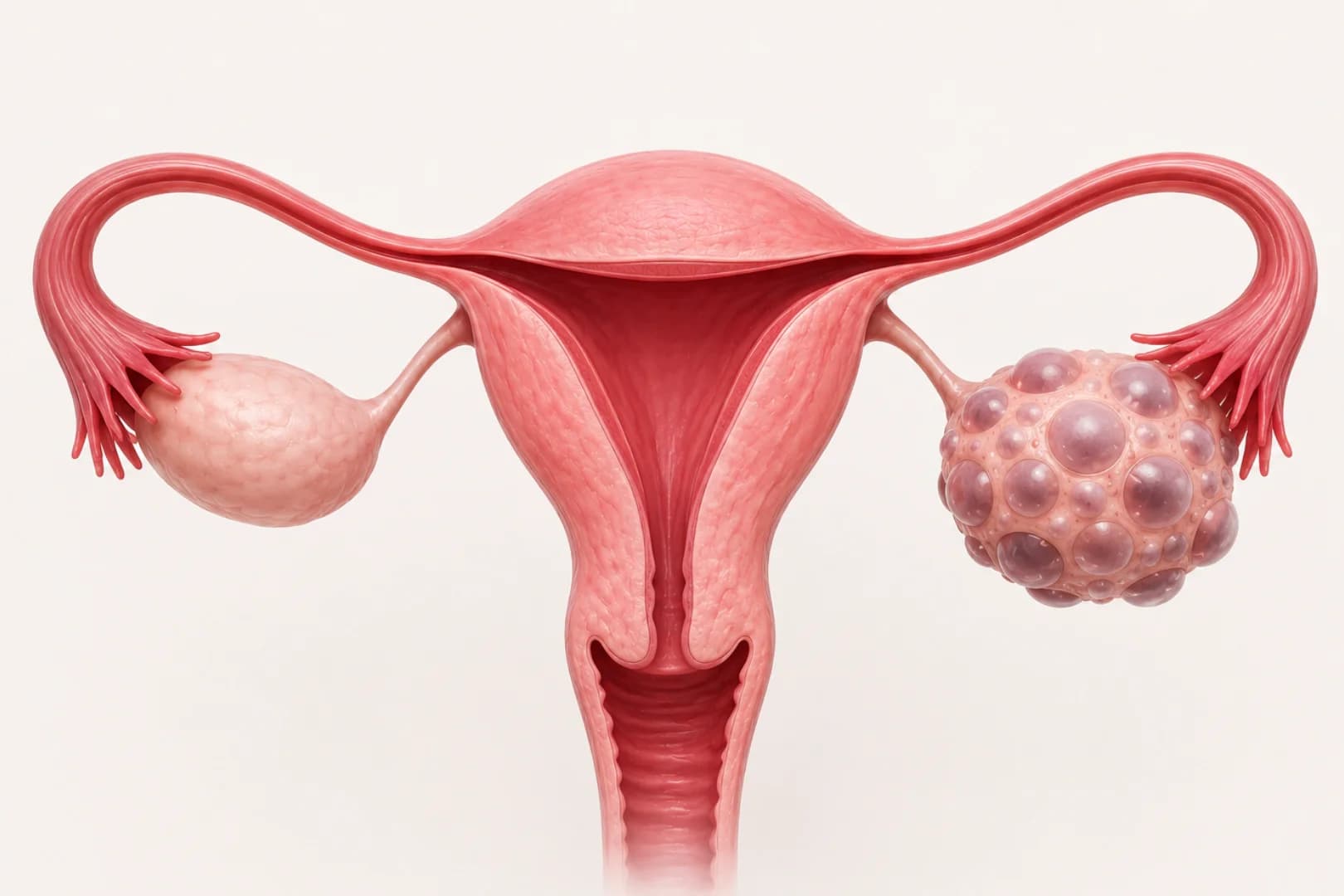
The New Name for PCOS: What Is PMOS?
Polycystic ovary syndrome (PCOS) has officially been renamed Polyendocrine Metabolic Ovarian Syndrome (PMOS). Learn why the name changed, how PMOS is diagnosed and how it affects fertility and IVF.
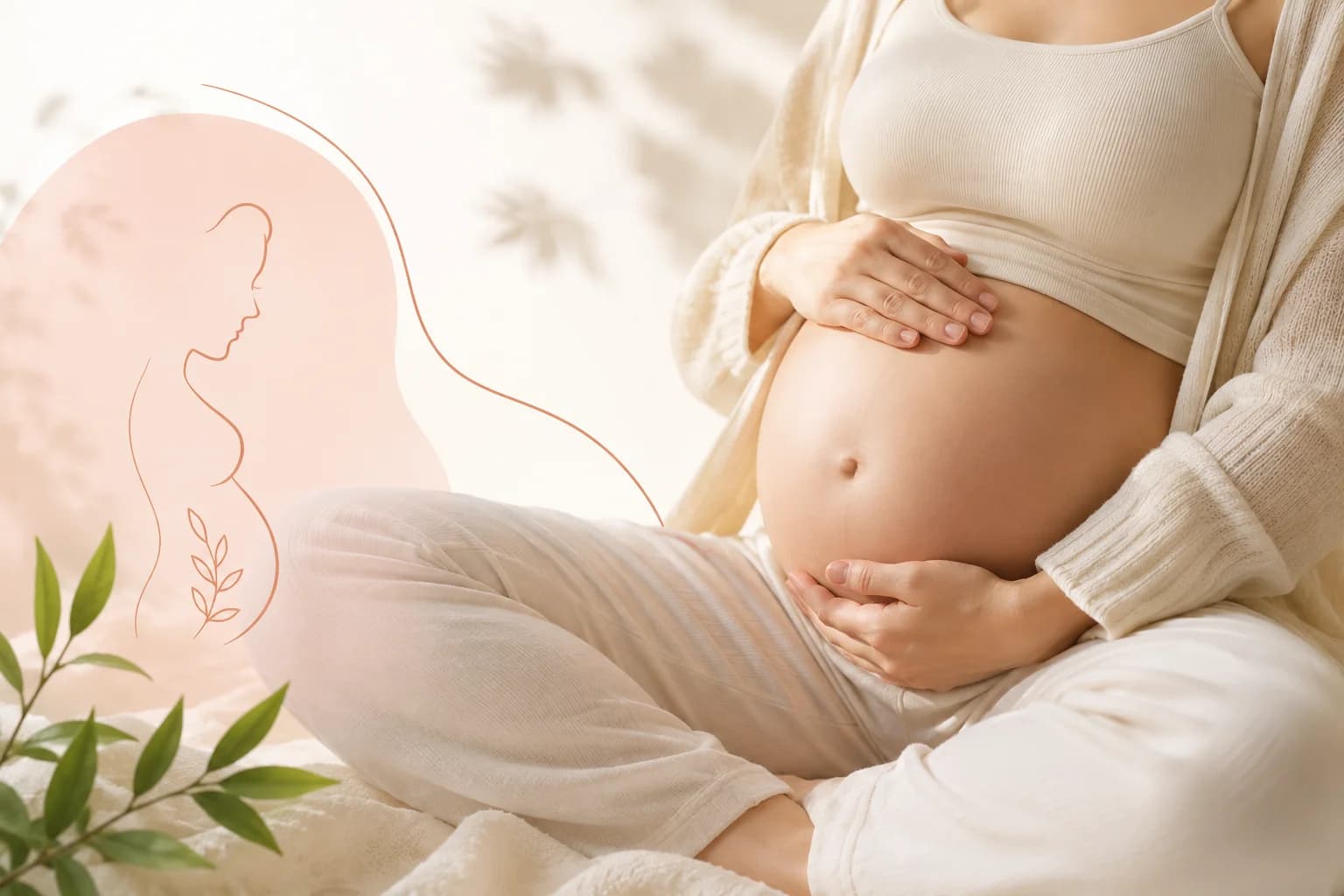
The Differences Between IVF and IUI
Both treatments aim to improve the chance of pregnancy, but how they're performed and who they suit are quite different.


Coping with Anxiety During IVF Treatment
The process is as much an emotional journey as a physical one - here's how to ease the anxiety, and the support our team offers.
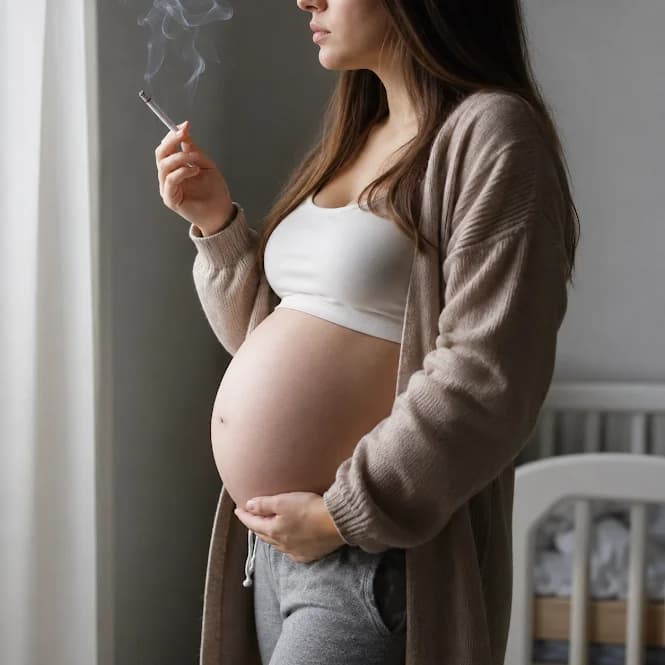
How Smoking Affects Fertility
Smoking affects both female and male fertility - here's what quitting before treatment can do for your chances.

Nutrition Habits That Support Fertility
Diet alone doesn't guarantee fertility, but a balanced, sustainable way of eating supports it.
Common Causes of Male-Factor Infertility
Male factor plays a role in a significant share of infertility cases - here are the most common causes and how we evaluate them.