Hysteroscopy
Last updated:
The uterus plays a crucial role in the formation and healthy continuation of pregnancy. Polyps, fibroids, intrauterine adhesions, or congenital structural abnormalities can sometimes affect the pregnancy process and IVF treatment. Therefore, a detailed evaluation of the uterine cavity is important when necessary. Hysteroscopy is one of the methods that allows for direct evaluation of the uterine cavity and, if necessary, treatment in the same session.
What is Hysteroscopy?
Hysteroscopy is a procedure in which a thin instrument called a hysteroscope, equipped with a light and camera at its tip, is passed through the vagina and cervix into the uterine cavity. Since it is performed vaginally, no incisions are made in the abdomen.
During the procedure, the uterine cavity is usually expanded with a special fluid. This allows for a detailed evaluation of the endometrium lining the uterus, the shape of the uterine cavity, and the areas where the fallopian tubes open into the uterus.
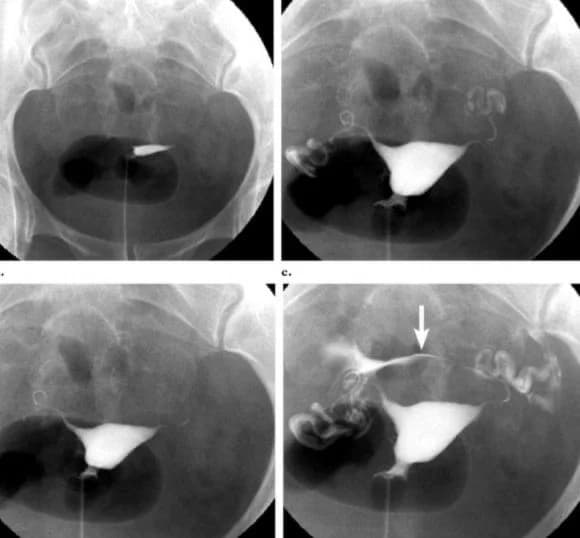
One of the most important advantages of hysteroscopy is that it allows for direct visualization of any problems within the uterus. When suspicious findings are detected during methods such as ultrasound, hysterosalpingography (HSG), or saline infusion sonography (SIS), hysteroscopy can help clarify these findings and, in appropriate cases, treat them in the same session. Furthermore, since hysteroscopy allows for direct visualization of the uterus, it is essentially a last resort in situations where HSG and SIS do not reveal a problem, but we need to rule it out or confirm that there is no problem.
What is the Difference Between Diagnostic and Operative Hysteroscopy?
Hysteroscopy is divided into two groups according to the purpose of the procedure: diagnostic and operative hysteroscopy.
Diagnostic Hysteroscopy
Diagnostic hysteroscopy is performed to evaluate the uterine cavity and detect any potential problems. A thinner camera is usually used, and the procedure is short. In suitable patients, it can be performed in an outpatient clinic or a small operating room.
Operative Hysteroscopy
Operative hysteroscopy is performed to treat a problem detected within the uterus. Using special surgical instruments passed through a hysteroscope, polyps, appropriately located submucosal fibroids, intrauterine adhesions, or structures like septums can be treated.
The need for anesthesia, the duration of the procedure, and the recovery period may vary depending on the scope of the intervention.
When is Hysteroscopy Performed?
Hysteroscopy may be performed especially when a pathology related to the uterine cavity is suspected. The main uses of hysteroscopy are:
Suspicion of polyps detected on ultrasound or hysterosalpingography (HSG)
Evaluation of submucosal fibroids growing into the uterine cavity
Suspicion of intrauterine adhesions or Asherman syndrome
Evaluation of the intrauterine septum (the partition between uterine and intrauterine devices)
Intermenstrual bleeding, prolonged menstrual bleeding, or irregular bleeding
Postmenopausal bleeding
Evaluation of the uterine cavity in cases of recurrent pregnancy loss
Removal of an IUD(intra uterine device) that has shifted or whose string is not visible
Taking targeted biopsies from suspicious areas of the endometrium
Evaluation of the uterine cavity in selected infertility and IVF patients
It should be noted that hysteroscopy only shows the inside of the uterus when a uterine septum is suspected. When the external structure of the uterus also needs to be evaluated, planning can be done in conjunction with imaging methods such as three-dimensional ultrasound.

How is Hysteroscopy Performed?
Hysteroscopy is usually scheduled early after menstruation has ended. During this period, the uterine lining is thinner, making it easier to assess the uterine cavity. However, the timing of the procedure may vary depending on the reason for the hysteroscopy and the patient's clinical condition.
Before the procedure, the possibility of pregnancy and, if necessary, the presence of an active infection are assessed. It is determined whether the hysteroscopy will be performed for diagnostic or operative purposes.
The hysteroscope is advanced through the vagina, past the cervix, and into the uterine cavity. After the uterine cavity is dilated with a special fluid, the inside of the uterus is examined in detail using a camera.
If operative hysteroscopy is planned, problems such as polyps, fibroids growing into the uterine cavity, intrauterine adhesions, or septums can be addressed in the same session.
Diagnostic hysteroscopy can usually be completed within a few minutes. In operative hysteroscopies, the procedure time varies depending on the type and size of the lesion and the surgical intervention to be performed.
Is Hysteroscopy a Painful Procedure?
The pain felt during hysteroscopy can vary depending on the type of procedure, the diameter of the instrument used, and the individual's pain sensitivity. In office hysteroscopy performed with thin instruments, short-term cramps similar to menstrual cramps may be felt. While procedures like intrauterine cutting are generally painless, the fluid injected into the uterus for this procedure can cause stretching, and the more the uterine stretching lasts, the more pain there will be. Therefore, pain is more likely to be expected in longer operative procedures, and anesthesia is planned accordingly. That is, depending on the scope of the procedure and the patient's needs, analgesics, local anesthesia, sedation, or general anesthesia may be preferred.
Sedation or general anesthesia may be used, especially in operative hysteroscopy or in patients with high anxiety about pain. In patients with a history of vaginismus or those experiencing significant sensitivity during gynecological examinations, the procedure should be personalized to ensure the patient feels comfortable and safe.
Is Hysteroscopy Performed on Every IVF Patient?
No. Hysteroscopy is not routinely necessary for every patient starting IVF treatment.
In patients with a normal uterine cavity on ultrasound evaluation and no history of abnormal bleeding or intrauterine pathology, routine hysteroscopy before the first IVF treatment has not been shown to increase live birth rates.
Therefore, instead of routinely performing hysteroscopy solely for the purpose of "checking the uterus before IVF," it is a more appropriate approach to identify patients for whom it is clinically necessary.
Hysteroscopy before IVF treatment may be considered, especially in the following situations:
Suspicious findings on ultrasound, hysterosalpingography, or saline sonography
Suspicion of intrauterine polyps or submucosal fibroids
Suspicion of intrauterine adhesions
History of previous abortion, infection, or intrauterine surgery
Unexplained abnormal uterine bleeding
Evaluation of the possibility of intrauterine adhesions with thin endometrium
Insufficient or suspicious findings from previous intrauterine imaging
Suspicion of intrauterine pathology after repeated unsuccessful embryo transfers
The fundamental approach here is that hysteroscopy alone does not increase IVF success. Its main value lies in identifying and, if necessary, treating any problems that may affect the uterine cavity where the embryo will implant.
What is the Role of Hysteroscopy in Recurrent IVF Failures?
If pregnancy is not achieved despite the transfer of good quality embryos, a reassessment of intrauterine factors may be necessary. However, recurrent implantation failure (RIF) should not be evaluated solely based on the number of failed transfers.
The woman's age, embryo quality and genetic characteristics, endometrium, uterine structure, transfer technique, and other treatment-related factors should be considered together.
During this evaluation, hysteroscopy can be a valuable method as it allows for direct visualization of the uterine cavity. Hysteroscopy may be considered, especially if polyps, submucosal fibroids, intrauterine adhesions, or other pathologies affecting the uterine cavity are suspected on ultrasound.
However, it is not correct to say that hysteroscopy should be performed routinely after every failed embryo transfer or that hysteroscopy alone increases pregnancy and live birth rates.
When is Embryo Transfer Performed After Hysteroscopy?
The timing of embryo transfer is determined according to the procedure performed during hysteroscopy.
If only diagnostic hysteroscopy has been performed and no problems have been found, a long waiting period may not be necessary. After removal of a small polyp, the timing of the embryo transfer can be planned considering the appearance of the uterine lining and, if necessary, the pathology results.
If treatment for submucosal fibroids, septums, or widespread intrauterine adhesions has been performed, a longer waiting period and follow-up evaluation may be required for the uterine lining to heal.
Therefore, there is no single waiting period applicable to every patient for embryo transfer after hysteroscopy.
Are There Risks of Hysteroscopy?
Hysteroscopy, when performed by experienced teams under appropriate conditions, is generally a safe procedure with a low complication rate. Serious complications are rare, especially in diagnostic hysteroscopies where only the uterine lining is evaluated.
Mild cramping, pelvic pain, vaginal bleeding, or spotting may occur after the procedure. These are usually short-lived.
Less common complications may include:
Infection
Uterine perforation
Cervical injury
Fluid overload and electrolyte imbalances due to the fluid used in operative hysteroscopies
Complications related to anesthesia if anesthesia is administered
Recurrence of adhesions, especially after treatment of intrauterine adhesions
The level of risk varies depending on the scope of the procedure performed. The risks are not the same for a short diagnostic hysteroscopy to remove a large submucosal fibroid or for operative hysteroscopy to treat extensive intrauterine adhesions.
What to Consider After a Hysteroscopy
Most patients can return to their daily lives shortly after diagnostic hysteroscopy. Mild cramping and spotting may occur for a few days after the procedure.
Medications prescribed by the doctor should be used as directed; the doctor's recommendations regarding sexual intercourse, tampon use, and swimming should be followed.
If any of the following develop, a healthcare facility should be contacted:
severe or progressively worsening abdominal pain
heavy vaginal bleeding
fever
foul-smelling vaginal discharge
fainting
significant weakness
general malaise
Conclusion:
Hysteroscopy is not like an ultrasound; it is a surgical procedure. It should not be omitted if necessary, and it should not be performed routinely if not essential. This decision and, if necessary, the procedure should always be planned by a physician experienced in this field.
Frequently Asked Questions
How long does a hysteroscopy take?
Diagnostic hysteroscopy can usually be completed within a few minutes. The duration of operative hysteroscopy varies depending on the procedure to be performed. In cases where a longer procedure time is expected, the energy modality and intrauterine dilator fluid planning should be done accordingly from the outset to reduce the risk of possible complications.
Can polyps be removed with hysteroscopy?
Yes. Polyps located appropriately within the uterus can be removed during operative hysteroscopy and sent for pathological examination if necessary.
Can all fibroids be removed with hysteroscopy?
No. Submucosal fibroids, especially those growing towards the uterine cavity, can be removed hysteroscopically. Different surgical approaches may be required for fibroids growing within the uterine wall or outside the uterus.
Is bleeding after hysteroscopy normal?
Mild spotting lasting a few days may occur. If heavy bleeding, fever, foul-smelling discharge, or progressively increasing pain develop, a doctor should be consulted.
Does hysteroscopy increase IVF success?
Hysteroscopy itself does not directly increase IVF success. Finding a problem within the uterus that may affect embryo implantation and treating this problem appropriately can contribute to the treatment plan in some patients.
Routine hysteroscopy for every patient with normal intrauterine imaging has not been shown to increase live birth rates.
When can pregnancy occur after hysteroscopy?
The timeframe varies depending on whether only diagnostic examination was performed or whether a problem such as polyps, fibroids, septums, or adhesions was addressed. The timing of pregnancy or embryo transfer should be planned individually.
Why isn't hysteroscopy performed on every patient during their first IVF attempt?
Routine hysteroscopy has not been shown to increase live birth rates in patients whose uterine cavity is assessed as normal by ultrasound and who have no additional findings suggestive of intrauterine pathology. Therefore, to avoid unnecessary intervention, patient discomfort, and additional costs, hysteroscopy should only be preferred when clinically necessary.
Is vaginal delivery possible after hysteroscopy?
Yes. Unless otherwise indicated by the performing physician, we cannot say that a cesarean section is necessarily required after hysteroscopy.
What should a patient consider when deciding on hysteroscopy?
Hysteroscopy is a surgery and process that requires careful planning and management. Our recommendation is to keep three key points in mind when choosing a hysteroscopy procedure, as these can increase success and reduce the risk of complications and failure:
1. It must be planned in an operating room equipped with the necessary infrastructure and technologically advanced, minimally invasive techniques.
2. The procedure must be performed by an experienced surgeon.
3. In the context of IVF, having your IVF physician or someone they are in contact with perform the procedure can contribute to the correct interpretation of findings during the surgery and planning for the aftermath.
Sexual Intercourse After Hysteroscopy?
It is recommended to refrain from sexual intercourse for a few days after the procedure. Sometimes this period may be extended until the next menstrual period.